Liability Limits for Seniors With a Paid Off Home
Liability limits are the most your insurer will pay for injuries or damage you cause to someone else, and anything above that comes out of your own pocket.
What liability limits pay for
Covers
- Injuries to other people If you cause a crash, this pays for the other driver's or passenger's medical care up to your limit.
- Damage to other cars or property This pays to repair or replace what you hit, a car, a fence, a parked trailer, up to your limit.
- Your legal defense If you're sued over the crash, your insurer provides a lawyer and covers the defense as part of this coverage.
- Lost income claims If the other person can't work because of injuries you caused, a claim against your liability limit can include that.
- Settlements and judgments If the case settles or goes to court, this is the money that pays what you owe, again only up to your limit.
Doesn't cover
- Your own car Liability doesn't pay to fix or replace your car, that's collision coverage.
- Your own injuries Your medical bills after a crash you caused come from medical payments coverage or your health insurance, not liability.
- A hit and run driver If someone else hits you and flees, that's uninsured motorist coverage, not your liability limit.
- Weather or animal damage Hail, flooding, or a deer strike are comprehensive claims and have nothing to do with liability.
- Damage above your limit If the damage you cause costs more than your limit, you owe the difference yourself unless you carry an umbrella policy.
Worth carrying at a solid level, even if you drive less than you used to
The size of your home equity is exactly why this matters more now, not less. A paid off house is an asset a lawsuit can reach if a crash you caused costs more than your insurance covers. Minimum limits were set with an old car and a fender bender in mind, not a modern vehicle repair bill or a hospital stay.
How much you drive doesn't lower the risk the way people assume. One bad afternoon on a highway on ramp or a rainy intersection is all it takes, regardless of your annual mileage. The exposure isn't about how often you're on the road, it's about what happens the one time something goes wrong.
If you could comfortably write a check for a serious loss, you still wouldn't want to, because the lawsuit risk extends beyond the repair bill into years of someone else's lost income or care. That's the part savings alone don't solve as cleanly as a higher limit does.
Where the car sits matters less than who's driving it and where you drive. A quiet street doesn't protect you on the day you're visiting family across town or driving through an unfamiliar city. This coverage travels with you, not with the driveway.
How a liability claim actually plays out
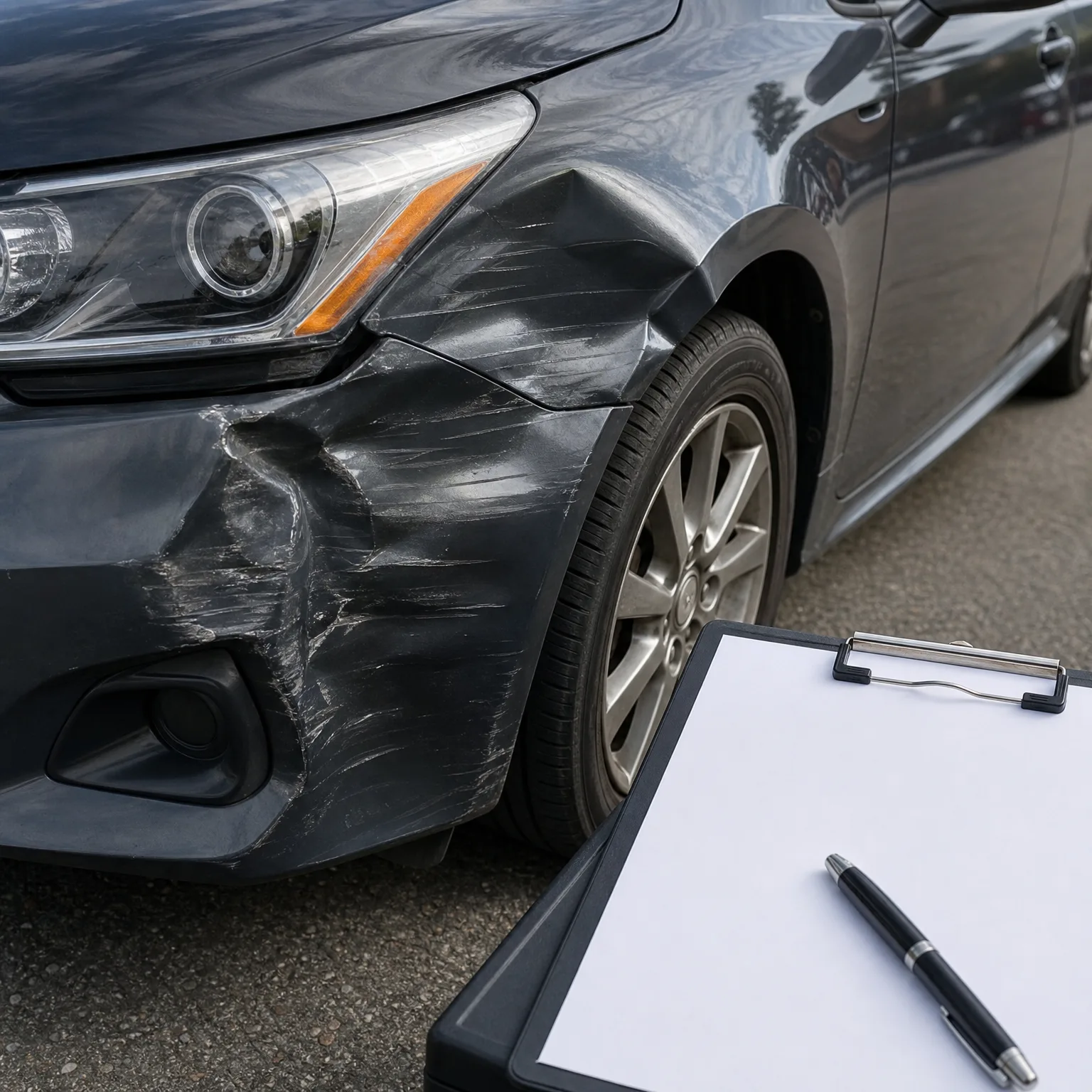
There's no deductible on this coverage, it isn't your bill, it's the other person's. Your insurer investigates the crash, determines you were at fault, and pays the other party's claim directly up to your limit. You don't pay anything out of pocket unless the claim exceeds what you carry.
Have your policy number, the other driver's information, and a description of what happened ready when you call it in. The insurer will likely want photos if you have them and may ask for a statement about how the crash happened.
The payment covers the other person's repair costs or medical bills, and your own legal defense if they sue. It does not touch your own car or your own injuries, those come from other parts of your policy if you have them.
If the claim is large, the process can take longer, especially if the other party is still receiving medical care and the full cost isn't known yet. Your insurer will keep you updated, but a serious injury claim can take a while to close out completely.
Liability limits compared to an umbrella policy
Liability Limits
This is the liability coverage built into your car insurance policy. It only applies to damage or injury you cause while driving and stops paying once you hit your limit.
Umbrella Policy
An umbrella policy sits on top of your car and home insurance and adds another layer of liability protection across both. It only kicks in after your car policy's limit is used up.
If you own a paid off home, lean toward raising your car liability limit first and consider an umbrella policy if you want protection beyond that.
Real situations
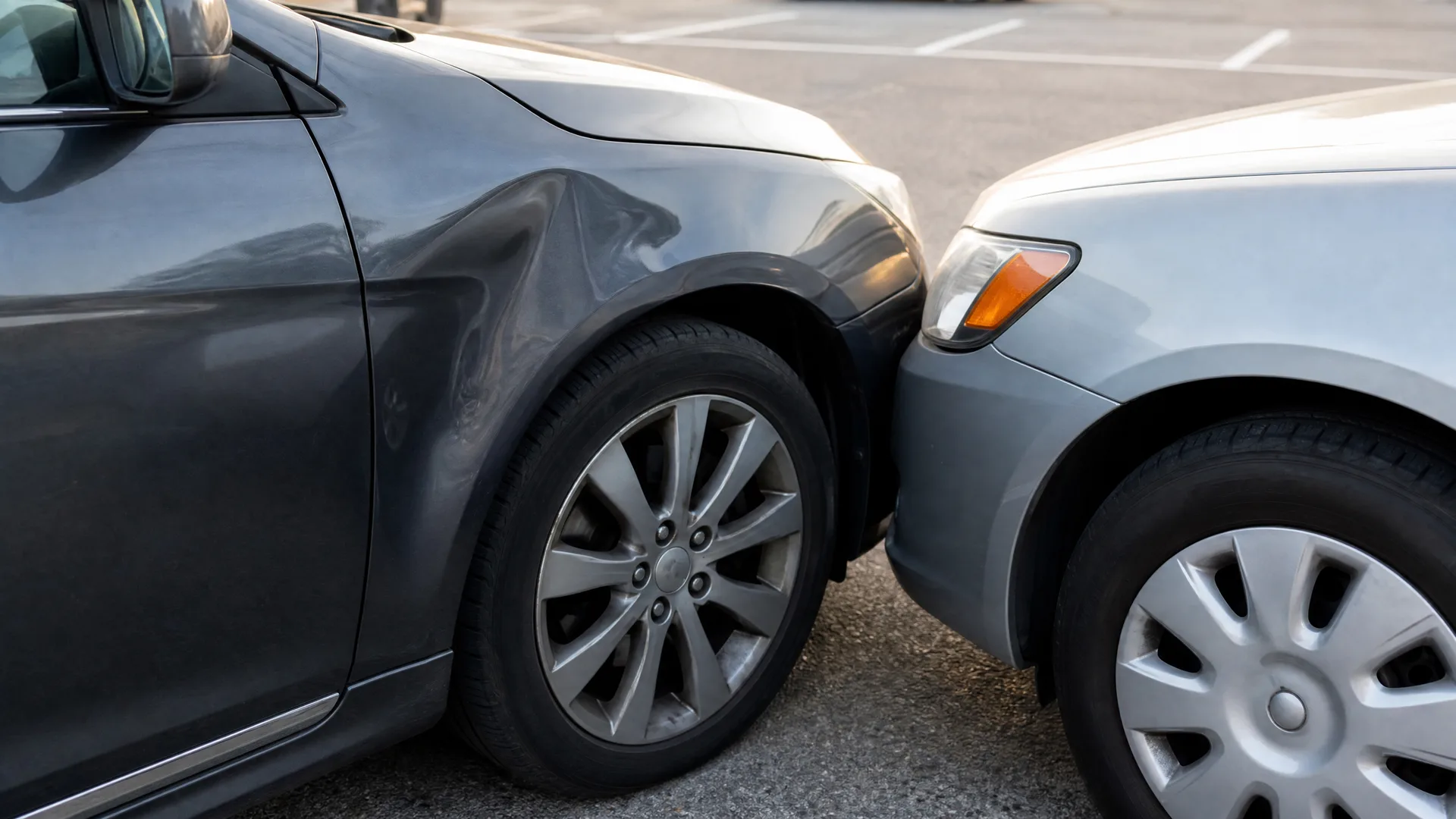
You pull out of a parking lot at the grocery store and clip another car, injuring the driver and totaling their vehicle.
This pays for the other driver's injuries and their car, up to your limit, because you were at fault.
A hailstorm damages your car while it's parked at church during a Sunday service.
This doesn't pay, hail damage to your own car is a comprehensive claim, not a liability one.
You're driving home at dusk on a county road and a deer runs into your path, damaging your car.
This doesn't pay either, animal collisions fall under comprehensive coverage, not liability.
Once you know what limit you want to carry, compare quotes with that number already decided so you're not talked down to something lower.
Questions people ask about this
What liability limit should I carry if I own my home outright?
Most people in this situation choose a limit well above the state minimum, often the highest single limit offered, because home equity is an asset a judgment can reach. Check what your current policy carries, many older policies were never updated from decades ago. Ask your insurer what raising the limit would look like before you decide.
Does liability insurance go up when you're older?
It can go either way, some insurers lower rates for drivers with long clean histories, while others raise rates again once a driver reaches a certain age. This varies by insurer and by state, so it's worth checking your own renewal notice rather than assuming either direction. A clean driving record still helps regardless of age.
Can I be sued personally if liability limits don't cover the damage?
Yes, if a crash costs more than your limit, the other party can pursue the difference from you directly, including savings, investments, or home equity. This is the exact risk higher limits and umbrella policies are built to prevent. A lawyer or financial advisor can help you think through what's actually at stake given your assets.
Do I still need high liability limits if I rarely drive anymore?
Yes, the risk comes from the one crash that happens, not from how many miles you drive in a year. Low mileage can sometimes lower your premium, but it doesn't reduce what a serious crash could cost if you're at fault. If you're driving much less, ask your insurer about a low mileage discount rather than cutting your liability limit.
What happens to my liability coverage if I stop driving and sell my car?
Once you no longer own or insure a car, you no longer need liability coverage on a car policy, but you may still want an umbrella policy if you carry other risks, like a pool or rental property. Check with your insurer about canceling properly rather than letting a policy lapse, since a lapse can affect future rates if you insure a car again later.