
Liability Limits for Seniors in Iowa
Liability limits are the maximum amount your insurance will pay for injuries or property damage you cause someone else while driving.
What liability coverage pays for
Covers
- Injuries to other people If you cause a crash, it pays for the other driver's or passenger's medical care up to your limit.
- Damage to their vehicle It covers repairs or replacement of a car you hit, up to your property damage limit.
- Damage to other property If you hit a fence, a mailbox, or a building, this is the coverage that pays for it.
- Your legal defense If the other driver sues you over the crash, this coverage pays for a lawyer and related costs.
- Lost income claims If the person you hit can't work because of the injury, a claim against your liability limit can include that.
Doesn't cover
- Your own car Liability doesn't pay to fix or replace your vehicle. Collision coverage handles that.
- Your own injuries Your medical bills after a crash you caused come from your health insurance or medical payments coverage, not this.
- A hit and run driver If someone else hits you and leaves, your liability coverage doesn't apply. Uninsured motorist coverage does.
- Weather or theft damage Hail, a cracked windshield, or a stolen car fall under comprehensive coverage, not liability.
- A passenger in your own car If someone riding with you is hurt, medical payments or personal injury protection covers that, depending on what's on your policy.

This is one coverage that's almost never worth cutting, no matter your age
Liability limits protect what you own, not just the car you drive. If a crash is your fault and the other person's injuries or damage exceed your limit, you can be personally responsible for the rest. That risk doesn't shrink as you get older, and if you've spent decades building savings or own your home outright, you actually have more to lose than a younger driver with little in the bank.
The question isn't whether to carry liability coverage, since in most cases you're required to carry some. The real question is whether your limit is high enough. A low limit that met a minimum years ago may not match what you'd owe today if you caused a serious crash.
How much you drive still matters. If you've cut back to short local trips, your overall risk is lower, but even a rare crash at an intersection can involve another vehicle, multiple people, or a costly piece of property. One bad afternoon is what this coverage exists for.
If you have meaningful savings, a paid-off home, or other assets, raising your liability limit is usually one of the cheaper ways to protect them. It's worth comparing the cost of a higher limit against what you'd actually have to pay out of pocket if a claim went over a lower one.
How a liability claim actually works
There's no deductible on the liability side, since this coverage pays the other person, not you. When a crash happens, your insurer investigates who was at fault, and if it's determined to be you, they negotiate and pay the other driver's claim up to your limit.
Have your policy details, the other driver's information, and any police report ready when you file. Photos of the scene and contact information for witnesses help the claim move faster and more accurately.
If the damages or injuries end up costing more than your limit, you're responsible for the difference yourself, and the other party can pursue you directly for it. This is exactly the scenario a higher limit is meant to prevent.
Your own car and your own injuries aren't part of this payout at all. Those are handled through separate coverages on your policy, so a liability claim and a claim for your own damage often happen side by side but are paid out differently.
Liability limits vs. umbrella coverage
Liability limits (auto policy)
This is the base amount your car insurance pays toward another person's injuries or damage after a crash you caused. It applies only to auto-related incidents and stops once your limit is reached.
Umbrella policy
An umbrella policy sits on top of your auto and home liability limits and kicks in once those are exhausted. It covers a broader range of situations, not just driving, and generally requires you to carry a minimum liability limit on your auto policy first.
If you have significant savings or assets to protect, raising your auto liability limit and adding an umbrella policy on top gives you much deeper protection than relying on auto liability alone.
Real situations
You're pulling out of a grocery store parking lot and misjudge the distance, clipping another car's door and bending the frame.
Liability pays for the other car's repairs up to your property damage limit, since the crash was your fault.
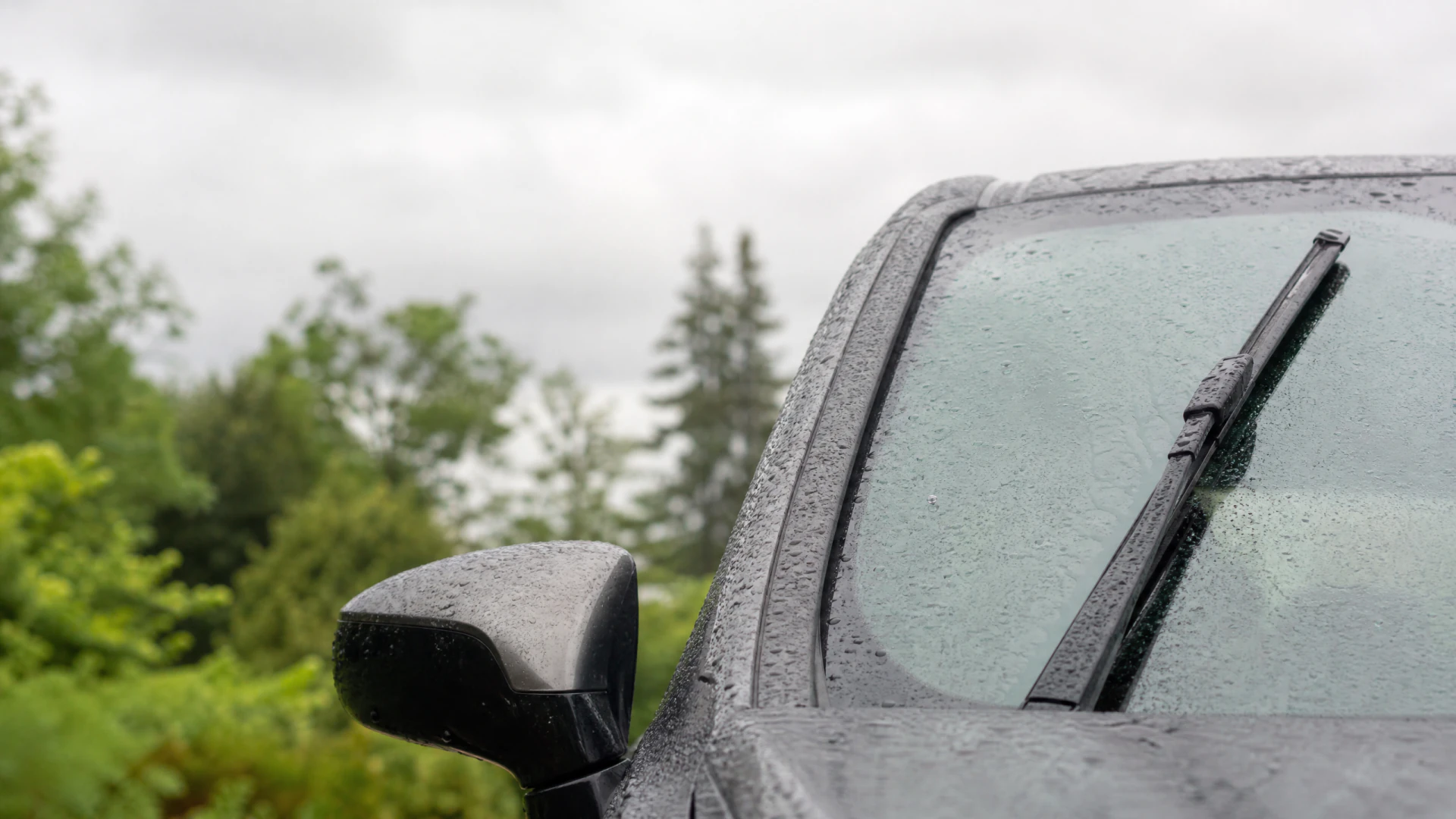
A hailstorm hits while your car is parked outside church during a Sunday service, denting the hood and cracking the windshield.
Liability doesn't pay here, since no other person or property was involved. This is a comprehensive claim instead.
At dusk on a county road, a deer darts out and you swerve, sliding into a ditch and damaging your own front bumper.
Liability doesn't apply since no other driver or property was harmed. Collision coverage would handle your vehicle's damage.
Once you've decided what liability limit fits what you have to protect, you can compare quotes with that number already in mind.
Questions people ask about this
How much liability coverage do I actually need?
Enough to cover what you'd lose if a crash exceeded a lower limit, which for many people means looking at their total savings and other assets. There's no single right number, so check your policy's current limit and compare it against what a higher one would cost. If you own significant assets, leaning toward a higher limit is generally the safer choice.
Can I be sued for more than my liability limit covers?
Yes, if the damages or injuries from a crash you caused exceed your coverage limit, the other party can pursue you directly for the remaining amount. This is the main reason people with savings or property often choose higher limits or add an umbrella policy. Your insurer only pays up to the limit you've chosen, not whatever the claim actually costs.
Does my liability coverage follow me if I drive someone else's car?
In most cases your own liability coverage extends to you when you're driving a car with the owner's permission, though this can depend on your specific policy. Check your policy wording or ask your insurer directly before assuming you're covered. The owner's insurance is often considered primary, with yours acting as backup.
Will my rates go up after a liability claim?
It depends on your insurer, your history, and whether the crash was clearly your fault. A first at-fault claim after many years of clean driving is often treated differently than a pattern of claims. Ask your agent how a claim would affect your specific policy before assuming the worst.
Should I drop liability coverage if I rarely drive anymore?
No, liability coverage isn't really about how often you drive, it's about what happens the one time something goes wrong. Even an occasional driver can cause a serious crash, and in most places carrying some liability coverage is required to legally drive at all. If you're driving much less, it may be worth discussing a usage-based policy instead of dropping coverage.