
Liability Limits for Seniors in Idaho
Liability limits are the cap on how much your insurance will pay for injury or damage you cause to someone else in an accident.
What liability coverage pays for
Covers
- Injuries to other people It pays medical costs for people in the other car if you're found at fault for the crash.
- Damage to other vehicles It covers repair or replacement of the other car, truck, or motorcycle you hit.
- Damage to other property It pays if you hit a fence, a mailbox, a garage, or another structure that isn't yours.
- Lost income claims It can cover a portion of another person's lost wages if their injuries kept them from working.
- Your legal defense If the other driver sues you over the accident, this coverage pays for your legal defense up to your limit.
Doesn't cover
- Your own car Damage to your own vehicle is handled by collision coverage, not liability.
- Your own injuries Your medical bills come from medical payments coverage or health insurance, not this.
- A hit and run driver When the other driver can't be identified or has no insurance, uninsured motorist coverage is what responds.
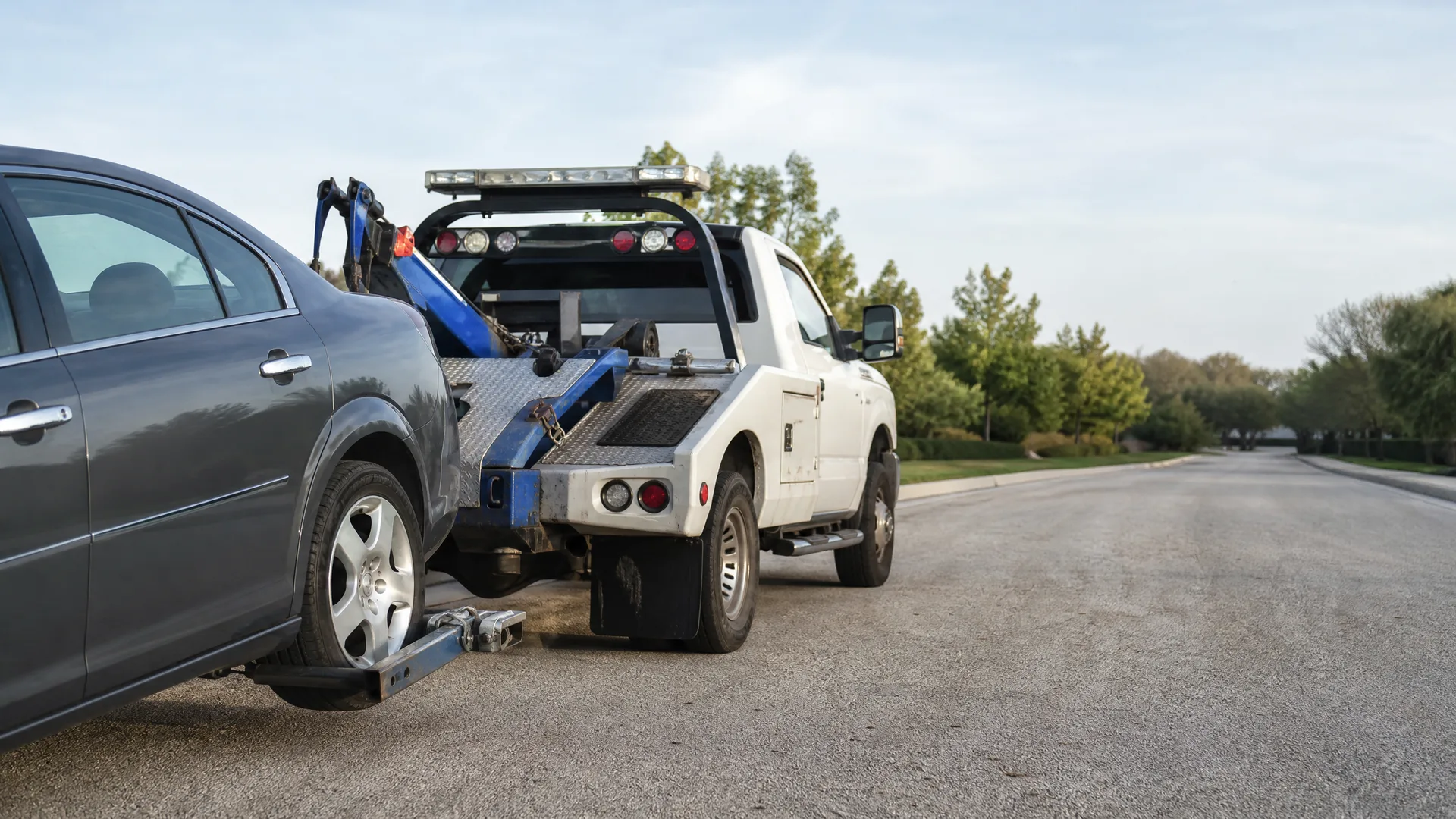
- Mechanical breakdown A car that simply quits running isn't an accident, so liability has nothing to do with it.
- Theft or vandalism Someone breaking into or stealing your car falls under comprehensive coverage instead.
For most older drivers, raising this limit is worth it
The amount of coverage required to drive legally is often far less than what one serious accident actually costs. If you caused a crash that injured someone badly, the bills can run past a low limit quickly, and then the other person can come after your own money and property to cover the rest. For a driver who has spent decades building savings, a paid off house, or a retirement account, that exposure matters more, not less, as those assets grow. A low limit protects the insurance company's payout, not your savings.
How much you drive and where the car sits both matter here too. A driver who still commutes or runs errands daily around town faces more chances for an accident than one who drives a short loop twice a week. But even a driver who rarely leaves the driveway can cause a serious accident on the one day they do, so low mileage is a reason to shop for a better rate, not a reason to carry a thin limit.
What the car itself is worth has nothing to do with this decision. Liability pays for the other person's car and injuries, not yours, so an older paid off vehicle with modest value doesn't argue for less liability coverage. If anything, a paid off car means you have one less loan payment competing for the premium dollars that go toward a higher limit.
The real question is how much of an unexpected loss you could absorb from your own pocket if a claim went over your limit. If the answer is not much, or none, raising the limit is one of the more affordable ways to protect what you've built.

What actually happens when you use this coverage
There's no deductible on the liability side, since this coverage pays the other person, not you. Once a claim is reported, the insurer investigates who was at fault, usually using the police report, photos, and statements from both drivers and any witnesses. If you're found at fault, the company negotiates and pays the other driver's repair costs or medical bills directly, up to your limit.
If the damages come in under your limit, the claim is usually resolved without much involvement from you beyond the initial report and any follow-up questions. If the damages run higher than your limit, the other party can pursue you personally for the difference, which is the exact situation a higher limit is meant to prevent.
Have your policy information, a description of what happened, and any photos from the scene ready when you call it in. Keep in mind that a claim against your liability coverage stays on your driving record and can affect your rates going forward, separate from whatever amount was actually paid out.
Liability limits vs. underinsured motorist coverage
Liability limits
This pays for damage and injuries you cause to someone else. It protects your assets when you're at fault, and the limit is the most the insurer will pay on your behalf.
Underinsured motorist coverage
This protects you when someone else causes the accident but doesn't carry enough coverage to pay for your injuries. It pays you, not the other driver, filling the gap their low limit leaves behind.
Carry both if you can, since one protects your savings from a claim against you and the other protects your own recovery from a driver who's underinsured.
Real situations
You pull out of a church parking lot and clip another car, badly denting its door and sending the other driver to urgent care for a sprained wrist.
This pays for the other car's repairs and the driver's medical visit, since you were at fault.
A hailstorm hits while your car is parked at the grocery store, leaving dents across the hood and roof.
This doesn't pay, since no other person or property was involved; that's a comprehensive claim.
A deer runs into the road at dusk on a county highway and you swerve to avoid it, running into a fence along a neighbor's property.
This pays for the fence, since you're responsible for the property damage even though the deer started it.
Once you've decided what limit makes sense for what you have to protect, compare quotes at that limit rather than the state minimum.
Questions people ask about this
How much liability coverage do I actually need at my age?
Enough to cover what you'd lose if someone sued you after a serious accident, which for most older drivers means looking at savings, retirement funds, and any other assets beyond the car itself. There's no single right number, since it depends on what you have to protect. A simple way to think about it is matching your limit to your net worth as closely as you reasonably can afford.
Does my liability coverage follow me if I drive someone else's car?
Usually yes, your own liability coverage can extend to a car you're driving with the owner's permission, though it typically works alongside the car owner's own policy. The exact order of which policy pays first can vary, so it's worth checking your own policy's language on this. If you borrow cars often, ask your agent directly how it's handled.
Can I be sued personally if liability coverage doesn't cover the whole claim?
Yes, if the damages or medical bills exceed your limit, the other party can pursue you directly for the rest. This is the core reason to carry a higher limit than the minimum, since your wages, savings, and property can all potentially be at risk in that situation. It's worth discussing with an agent how a judgment like that could actually be collected where you live.
Does liability coverage change if I stop driving every day?
The coverage itself works the same regardless of how often you drive, but driving less can sometimes lower your premium. Dropping the limit itself isn't tied to mileage, since even an occasional driver can cause a costly accident. Ask about mileage-based discounts separately from any conversation about adjusting your limit.
What happens to my liability coverage if I let my adult child drive my car?
Your policy generally covers other household members and occasional permitted drivers under your existing liability limit. If your adult child drives your car regularly, though, the insurer may want them listed on the policy, so it's worth mentioning this to your agent to avoid any issue with a claim later. A one-time or occasional use is usually different from regular use in how it's treated.