Liability Limits for Seniors in Colorado
Liability limits are the highest amount your insurer will pay for injuries or property damage you cause someone else in an accident, and the
What liability limits actually pay for
Covers
- Injuries to other people If you're at fault in a crash, this pays for the other driver's or pedestrian's medical care up to your limit.
- Lost income for others If the person you hit can't work while recovering, this can cover their lost wages as part of the injury claim.
- Damage to their car or property This pays to repair or replace the other vehicle, or anything else you damage, like a fence or a parked car.
- Legal defense if you're sued If someone sues you over the accident, your insurer typically hires and pays for your lawyer up to the policy terms.
- Costs above a single per-person limit When more than one person is hurt, a combined or per-accident limit spreads coverage across everyone involved, up to that total.
Doesn't cover
- Your own car repairs Liability only pays for the other side's damage. Your own vehicle needs collision coverage to be repaired after a crash you caused.
- Your own injuries Your medical bills after a crash you caused come from your health insurance, or from medical payments or personal injury protection if you carry it.
- A hit-and-run driver's damage to you When the other driver has no insurance or flees, uninsured motorist coverage is what pays you, not your liability limit.
- Hail, theft or a deer strike Those are comprehensive claims on your own policy. Liability only responds when you've caused harm to someone else.
- Punitive damages in some cases Depending on how your policy is written, amounts meant to punish rather than compensate may fall outside what liability pays.
Yes, and probably at a higher limit than you have now
The minimum limit a state allows is usually set for a cheap, older car, not for the kind of judgment a court can hand down today. If you caused a serious crash, the gap between a low limit and the actual cost of someone's injuries comes out of your own savings and assets, not your insurer's pocket.
This matters more, not less, as you get older. You likely have a paid-off house, retirement accounts and savings built up over decades, and all of that can be reached in a lawsuit if your liability limit falls short. A young driver with no assets has less to protect. You probably have more.
How much you drive factors in too. If you're mostly running local errands and visiting grandkids a few towns over, your exposure is lower than someone doing long highway commutes, but even a short trip can end in a serious crash. Low mileage reduces risk, it doesn't erase it.
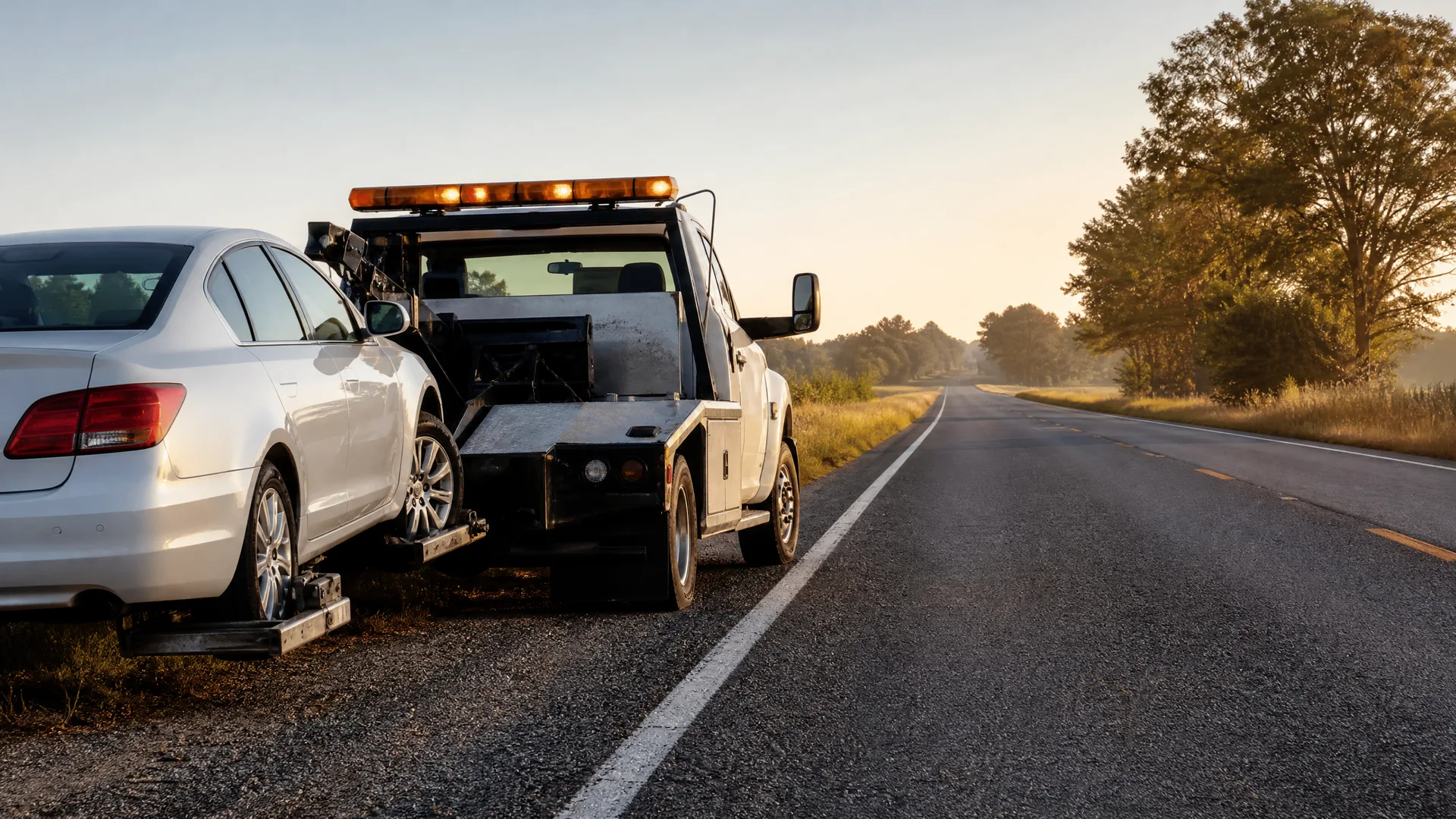
Where the car sits also plays a role. A vehicle parked at a busy curb or driven often in heavy traffic faces more opportunities for a costly accident than one that mostly sits in a garage. If you still drive regularly in any kind of traffic, raising your limit is one of the cheaper ways to protect what you've built.
How a liability claim actually plays out
There's no deductible on the liability side, since this coverage pays the other person, not you. Your insurer investigates who was at fault, and if you're found responsible, they negotiate and pay the other party's claim directly, up to your limit.
You'll want your policy declarations page, a description of what happened, photos if you took any, and contact information for everyone involved, including witnesses. The insurer's adjuster handles most of the back-and-forth with the other side from there.
If the damages come in under your limit, your insurer pays the full amount and the matter closes. If the damages exceed your limit, you can be held personally responsible for the rest, which is the exact situation higher limits exist to prevent.
Your insurance rate can rise afterward if you're found at fault, and that's separate from whatever the claim itself pays out. It's worth asking your agent how a claim like this would affect your next renewal before you assume anything.
Liability limits versus underinsured motorist coverage
Liability limits
This pays when you cause an accident and someone else is hurt or their property is damaged. It protects your assets, not your own car or body.
Underinsured motorist coverage
This pays you when someone else causes an accident but doesn't carry enough insurance to cover your injuries or damage. It protects you, not the other driver.
If you want to protect what you've saved, raise your liability limit. If you want protection from drivers carrying too little insurance themselves, that's underinsured motorist coverage, and many people carry both.
Real situations
You're pulling out of a grocery store parking lot and sideswipe another car, breaking their mirror and denting a door.
Liability pays for the other car's repairs since you were at fault, up to your limit.
A hailstorm hits while your car is parked at church and leaves dents across the hood and roof.
Liability doesn't pay here, since no other person or property was involved; comprehensive coverage handles hail damage.
A deer runs into the road at dusk on a county highway and you can't avoid hitting it, damaging your front end.
Liability doesn't pay for this either, since there's no other party to compensate; comprehensive coverage is what responds to animal strikes.

Now that you know whether your liability limit matches what you actually have to protect, compare quotes at the limit you've decided on.
Questions people ask about this
How much liability coverage do I actually need?
It depends mainly on what you have to protect, not on any fixed number. A common approach is to add up your savings, your home equity and other assets, and choose a limit that comes close to covering that total, since that's what a lawsuit could reach if a low limit falls short.
Does my liability coverage go down as my car gets older?
No, your liability limit has nothing to do with your car's value. It's based on the dollar amount you chose, and it stays the same whether your car is brand new or fifteen years old, since it's protecting against harm to other people, not your own vehicle.
Can I be sued personally if my liability limit isn't enough?
Yes, if a judgment against you exceeds your limit, you can be held responsible for the difference out of your own assets. This is the main reason many people this age choose a higher limit than they carried when they were younger and had less to protect.
Does liability coverage follow me if I drive someone else's car?
Usually yes, your own liability coverage typically extends to you when you're driving another vehicle with permission, though the owner's policy is usually considered primary. Check your policy's language on this, since it can vary.
Will raising my liability limit affect my premium a lot?
Raising your limit does increase your premium, but liability increases are often one of the more modest ways to add meaningful protection compared to lowering deductibles elsewhere. Ask your agent to quote a few different limits side by side so you can see the actual difference for your situation.