Liability Limits After Moving to a Retirement Community
Liability coverage pays for the other person's injuries or property damage when you're at fault in an accident, and moving doesn't change what it covers, only what limits make sense for your new situation.
What liability coverage pays for
Covers
- Injuries to other people Medical bills, lost income and related costs for anyone hurt in the other vehicle if you caused the crash.
- Damage to other vehicles Repair or replacement costs for the other car, truck or motorcycle involved.
- Damage to property Fences, mailboxes, garage doors or anything else you hit that belongs to someone else.
- Legal defense costs If the other party sues you over the accident, this pays for your defense up to your policy limit.
- A pedestrian or cyclist you hit Their medical costs and related losses if you're found responsible for the accident.
Doesn't cover
- Your own car's damage Liability doesn't touch your vehicle at all, that's what collision coverage is for.
- Your own medical bills Your injuries are covered separately, through medical payments coverage, personal injury protection, or your health insurance.
- A hit and run or uninsured driver If someone else hits you and has no insurance, you'd need uninsured motorist coverage, not liability.
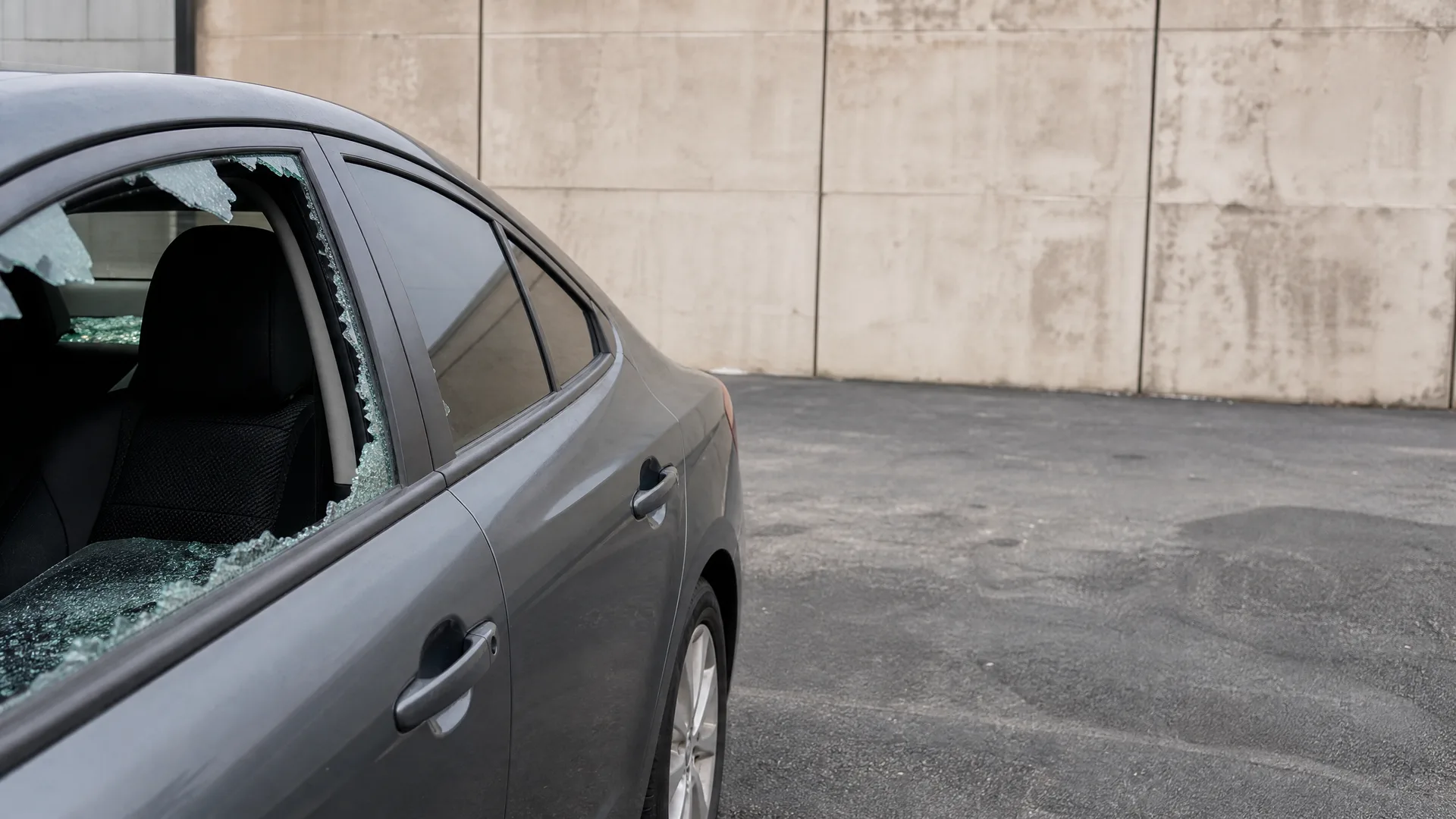
- Theft or vandalism in the parking lot Comprehensive coverage handles damage that isn't from a collision, including theft or a shopping cart dent.
- Damage from a storm or fallen tree That falls under comprehensive coverage as well, since it isn't related to fault or a collision with another vehicle.
Keep it, and look closely at how much
Liability coverage itself isn't optional in most places, and moving to a retirement community doesn't change that. What's worth revisiting is how much coverage you carry, because your situation on paper has likely shifted even if the risk hasn't.
If you own a home, savings, or other assets, a judgment against you after a serious accident can reach beyond your policy limit and into what you've built over a lifetime. Selling a house to downsize doesn't make that exposure smaller, it just means the asset shows up as cash instead of a house, and cash is just as reachable in a lawsuit.
How much you drive now matters too. If you've traded a daily commute for occasional trips to appointments, errands or visiting grandchildren, your exposure to causing an accident has probably gone down. That's a reason to compare quotes, not a reason to drop coverage or lower your limit.
Where the car sits also plays a role. A vehicle parked in a covered spot or a gated community lot is less exposed to weather and theft, which affects comprehensive coverage, but it has no bearing on liability. Liability is about what you do while driving, not where the car lives when it's parked.

How a liability claim actually goes
Liability coverage doesn't have a deductible the way collision or comprehensive does, since you're not filing a claim for your own damage. Instead, your insurer pays the other party up to your limit once fault is established.
After an accident, you report it to your insurer, who investigates to determine who was at fault. If you're found responsible, the insurer deals directly with the other driver's repair estimates, medical bills, or legal claims, and you typically aren't involved beyond providing your account of what happened.
Have your policy information, the other driver's contact and insurance details, and any photos or witness information ready when you report the claim. A police report helps too, especially if fault isn't obvious.
If the damage or injuries exceed your liability limit, you're personally responsible for the difference. That's the scenario that makes reviewing your limit worth the time, since the gap between your coverage and the true cost of a serious accident can be larger than people expect.
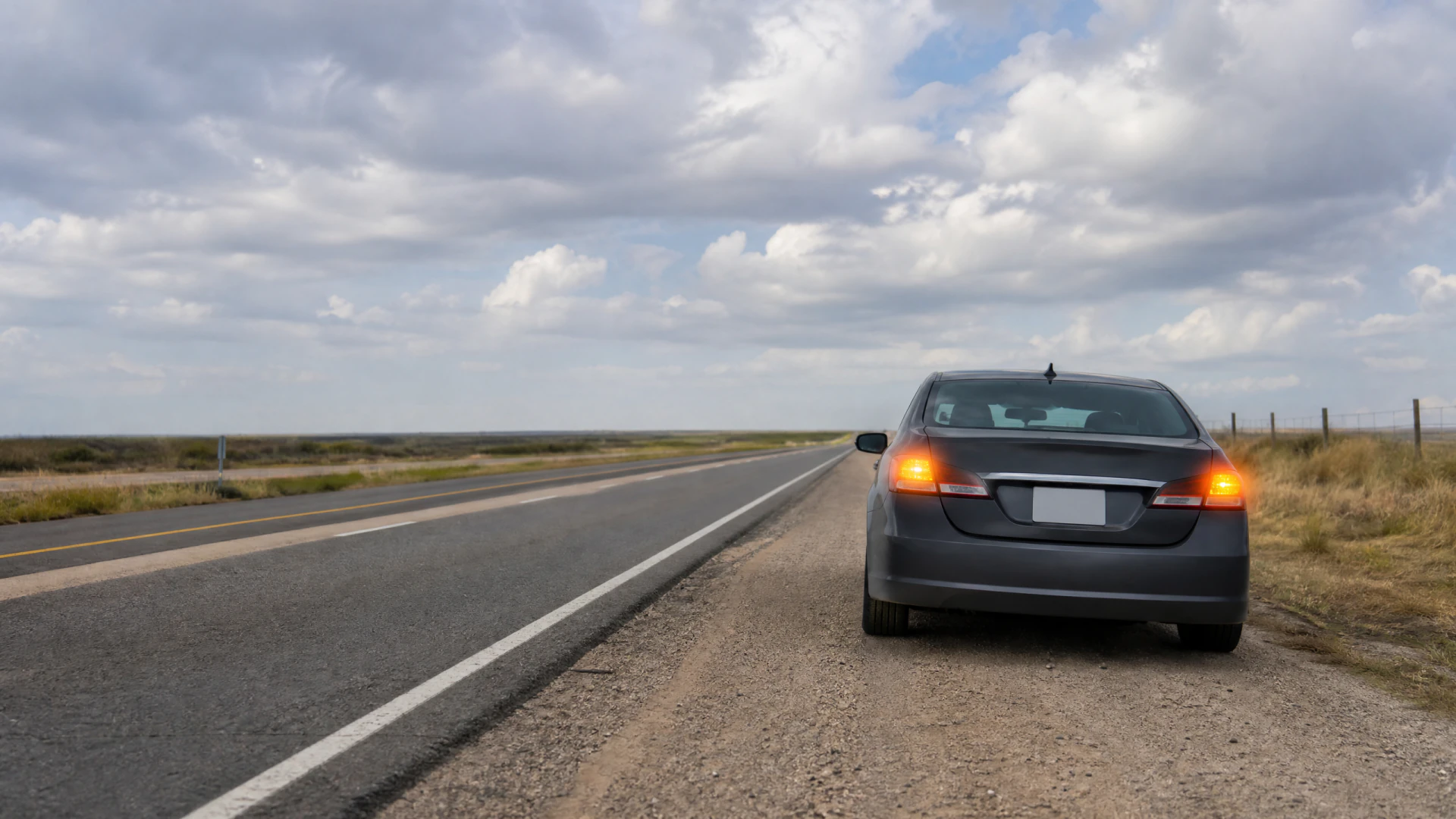
Liability vs. uninsured motorist coverage
Liability coverage
Pays for injuries or damage you cause to others when you're at fault. It protects other people and your assets, not your own car or injuries.
Uninsured motorist coverage
Pays for your injuries and sometimes your vehicle damage when the at-fault driver has no insurance or not enough. It protects you when someone else is the problem.
Carry both if you can, since one covers what you do to others and the other covers what someone else does to you.
Real situations
You're pulling out of the retirement community's parking lot and back into a neighbor's parked car, denting their door.
Liability pays for the other car's repair since you were at fault for the collision.
A hailstorm hits while your car is parked at church and leaves dents across the hood and roof.
Liability doesn't pay here, this is a comprehensive claim since no other vehicle or driver was involved.
A deer runs into the road at dusk on a county highway and you can't avoid hitting it, damaging your front end.
Liability doesn't pay for this either, since there's no other driver at fault, comprehensive coverage handles animal collisions.
Once you've settled on the right liability limit for where you are now, compare quotes to see what that coverage actually costs.
Questions people ask about this
Does my liability coverage follow me if I drive someone else's car at the retirement community?
Generally yes, your liability coverage typically extends to you driving another vehicle with permission, as long as it isn't owned by you or a household member. Check your policy's language on this, since some insurers word it differently. If you'll be driving a community vehicle or a friend's car regularly, it's worth confirming with your insurer directly.
Do I still need liability coverage if I stop driving regularly?
Yes, as long as the car is registered and could be driven, most states require liability coverage to stay in effect. If you've stopped driving altogether, look into whether your state allows you to file the vehicle as non-operational, which can let you drop coverage legally. Check with your motor vehicle department, since the rules vary by state.
Can my retirement community require a certain liability limit to park there?
Some communities do set minimum insurance requirements for residents who park on site, though this varies by community rather than by state law. Check your community's parking or resident agreement for any insurance clauses. If nothing is specified, your state's minimum requirement is what legally applies.
Will my liability limit go up automatically as I get older?
No, your limit stays exactly where you set it unless you or your insurer changes it. Age alone doesn't trigger an automatic adjustment. Review your limit periodically, especially after a move or a change in assets, since nothing will prompt you to do it otherwise.
Does liability coverage cost less if I only drive a few miles a week now?
It can, since many insurers factor in how much you drive when setting rates, and lower mileage often qualifies for a lower rate. Ask your insurer whether they offer a low mileage adjustment or usage based option. Report your new driving habits after a move, since insurers don't automatically know your routine changed.