Does Liability Coverage Follow Me in Another Car
Your own liability coverage generally travels with you, but it works alongside the car owner's policy, not instead of it.
Yes, in most cases your liability coverage follows you
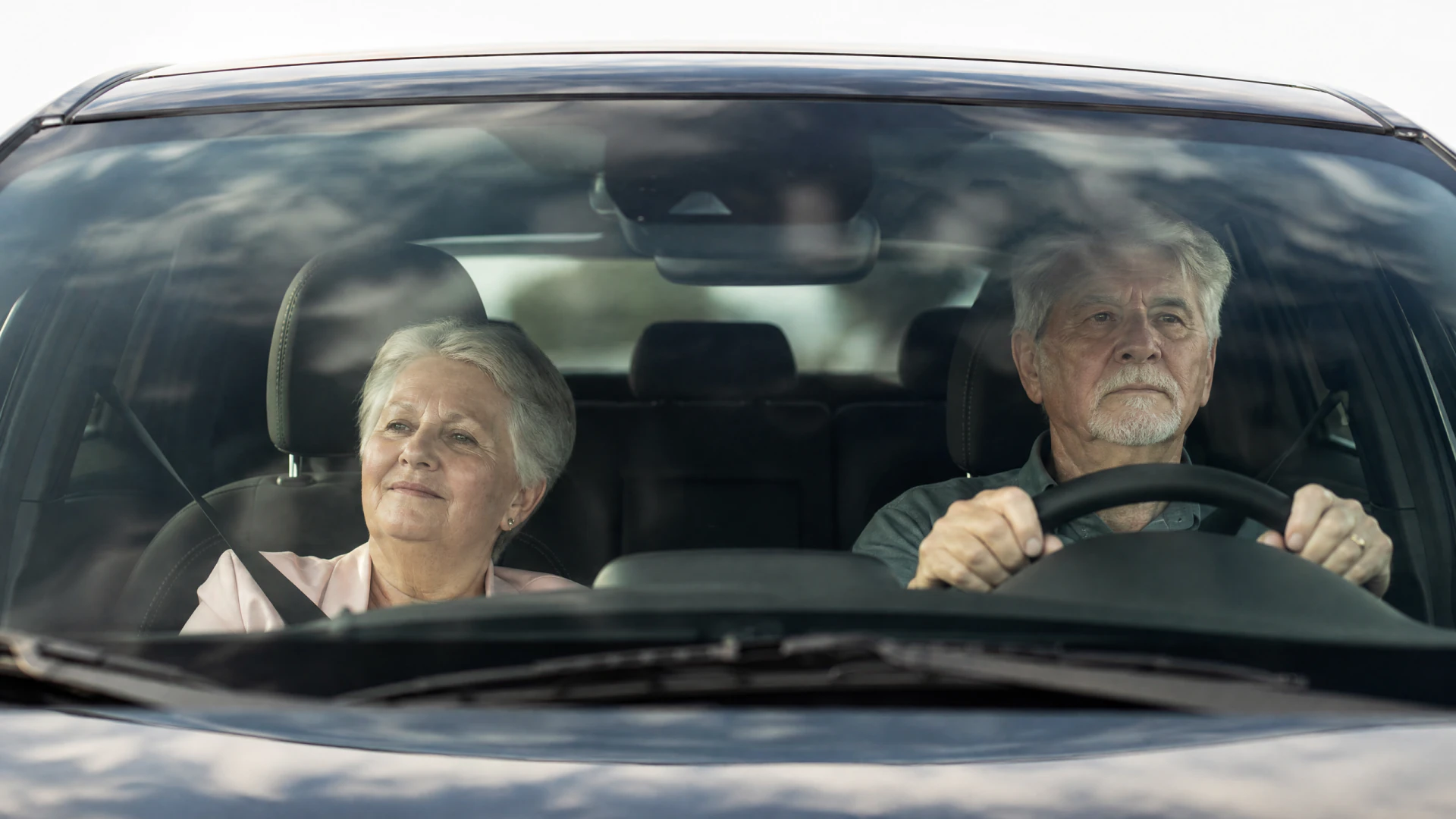
If you borrow someone else's car with their permission, your liability coverage typically extends to you as a driver. The car owner's insurance is usually the primary coverage in that situation, and your own policy can act as backup if the damages go beyond what their policy covers.
This isn't automatic in every case. It depends on your policy's language, the owner's policy, and whether you had permission to drive the car. If you drive someone else's car regularly, your insurer may expect that car to be listed on your policy instead of treated as an occasional borrow.
Whose policy pays first depends on the owner's insurance
When you drive a car that isn't yours, the owner's liability coverage is usually the one that responds first if you cause an accident. Your own policy typically steps in only after their coverage is used up, or if their coverage doesn't apply for some reason.
This means the owner's coverage limits matter to you too. If they carry low liability limits and you cause a serious accident, their policy may not cover the full cost, and that's when your own liability coverage can fill the gap.
Before you borrow a car regularly, it's worth asking the owner what their liability limits are. If you're the one lending your car out, the same question applies in reverse, since your policy is the one that will be asked to pay first.
Insurers vary in how they word this part of a policy. Some use the term 'permissive use,' and the details of what counts can differ. Reading that section of your own policy, or asking your agent directly, tells you more than a general rule can.
What trips people up: borrowed often versus borrowed once
Insurers generally distinguish between driving a car once, like a friend's car for an afternoon, and driving it regularly. If you use someone's car often enough, an insurer may consider you a regular driver of that vehicle and expect it to be disclosed on a policy, either yours or the owner's.
This matters because coverage that follows you for occasional use isn't guaranteed to apply the same way for frequent use. If an insurer later finds out you were driving a car regularly without being listed anywhere, it can affect how a claim is handled.
Rental cars and cars owned by family members living with you are treated differently by different insurers too. Some policies automatically extend to relatives in the same household, others don't. This is a case where state rules and individual policy wording both play a role, so asking your own insurer directly is the only way to know your situation for certain.
Questions people ask about this
Does my insurance cover me driving a rental car?
Often it does, since a rental car is usually treated like any other car you're driving with permission. Check your policy's declarations page or ask your insurer directly, since some policies exclude rentals or limit coverage for them.
What happens if I crash a car that isn't mine?
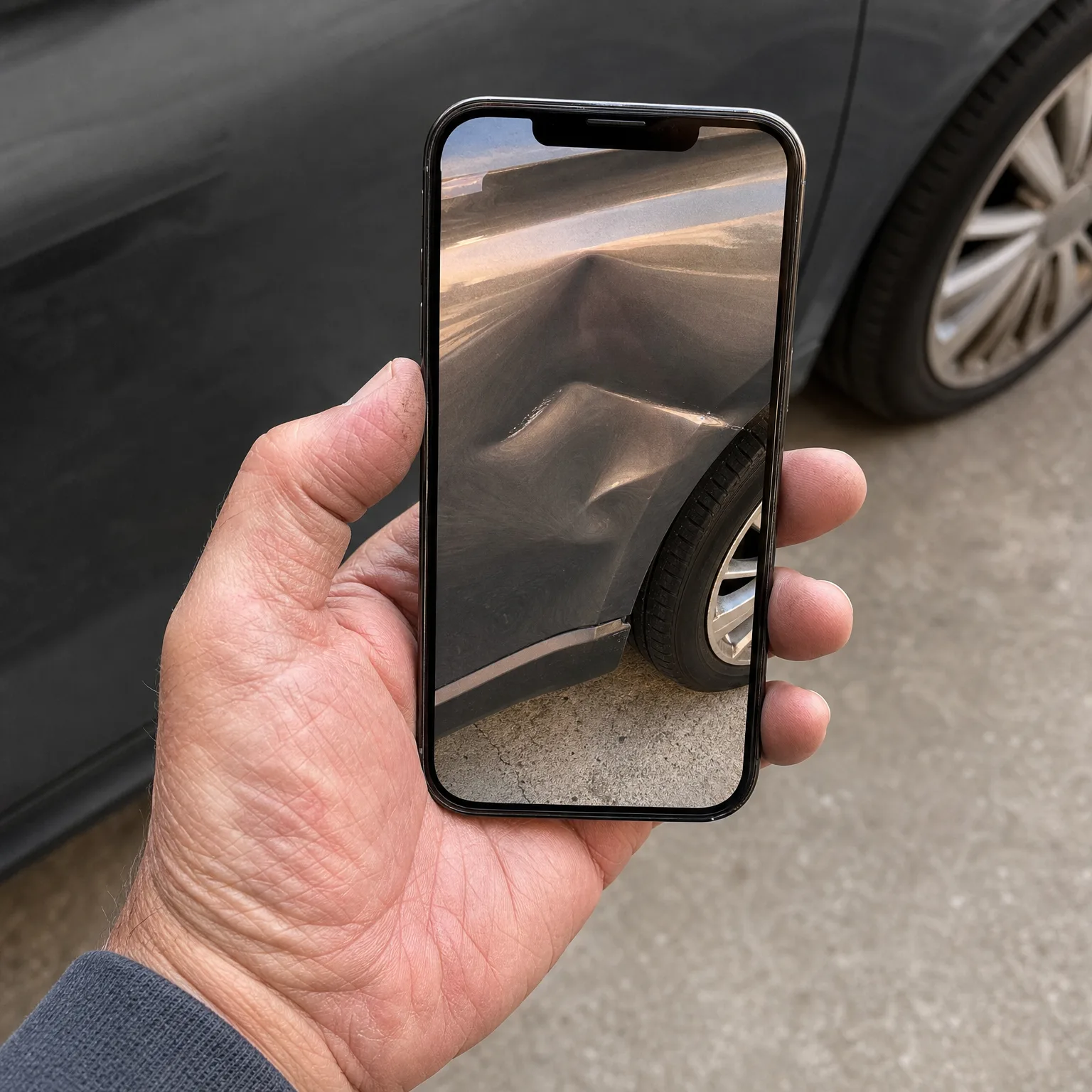
The car owner's insurance typically pays first, and your own liability coverage can apply if damages exceed their limits. Both insurers may get involved, and the owner's insurer usually opens the claim first since the vehicle is registered to them.
Do I need to be listed on someone else's insurance to drive their car?
Not for occasional use, but insurers expect regular drivers of a car to be listed on its policy. If you drive a family member's car often, ask their insurer whether you should be added.
Does liability insurance cover other drivers of my car?
Usually yes, if you gave them permission to drive it, since your policy follows the car in most situations. Confirm this with your insurer, since some policies have restrictions on who qualifies as a permitted driver.
Will my insurance rate go up if someone else crashes my car?
It can, since the claim is typically filed against your policy if your car was involved, regardless of who was driving. Ask your insurer how they handle claims involving a permitted driver before you lend your car out regularly.
If you're not sure how your policy handles a borrowed or shared car, compare quotes and ask each insurer directly how they'd treat your situation.

Pull out your current policy and find the section on liability coverage for other drivers, sometimes labeled permissive use. Call your insurer or agent and ask plainly whether your coverage follows you into a car you don't own, and whether that changes if you drive it often. If you regularly borrow or lend a car, ask whether that car needs to be listed on a policy. Do this before you need it, not after an accident, since the answer determines who pays first and how much is covered.