What to Do If You Cause a Car Accident
Stop, check on everyone, and exchange information before you worry about anything else.
Handle the scene first, your insurer second
Stop the car and check for injuries. Call for help if anyone is hurt. Exchange names, license numbers, and insurance information with the other driver, and if a police officer comes, let them write the report rather than arguing fault at the scene.
Call your own insurer once everyone is safe, even if you think you caused it. Most policies require you to report an accident, and waiting or saying nothing can cost you more than the accident itself.
What you say at the scene matters
You don't have to decide who was at fault while you're standing on the side of the road. That gets sorted out later, using the police report, the damage, and sometimes witness statements. Saying "it was my fault" at the scene doesn't settle anything legally, but it can end up in the report and make things harder for you later.
Stick to facts. Give your license, registration, and insurance information. Describe what happened if asked, but don't guess at speeds or distances you didn't measure.
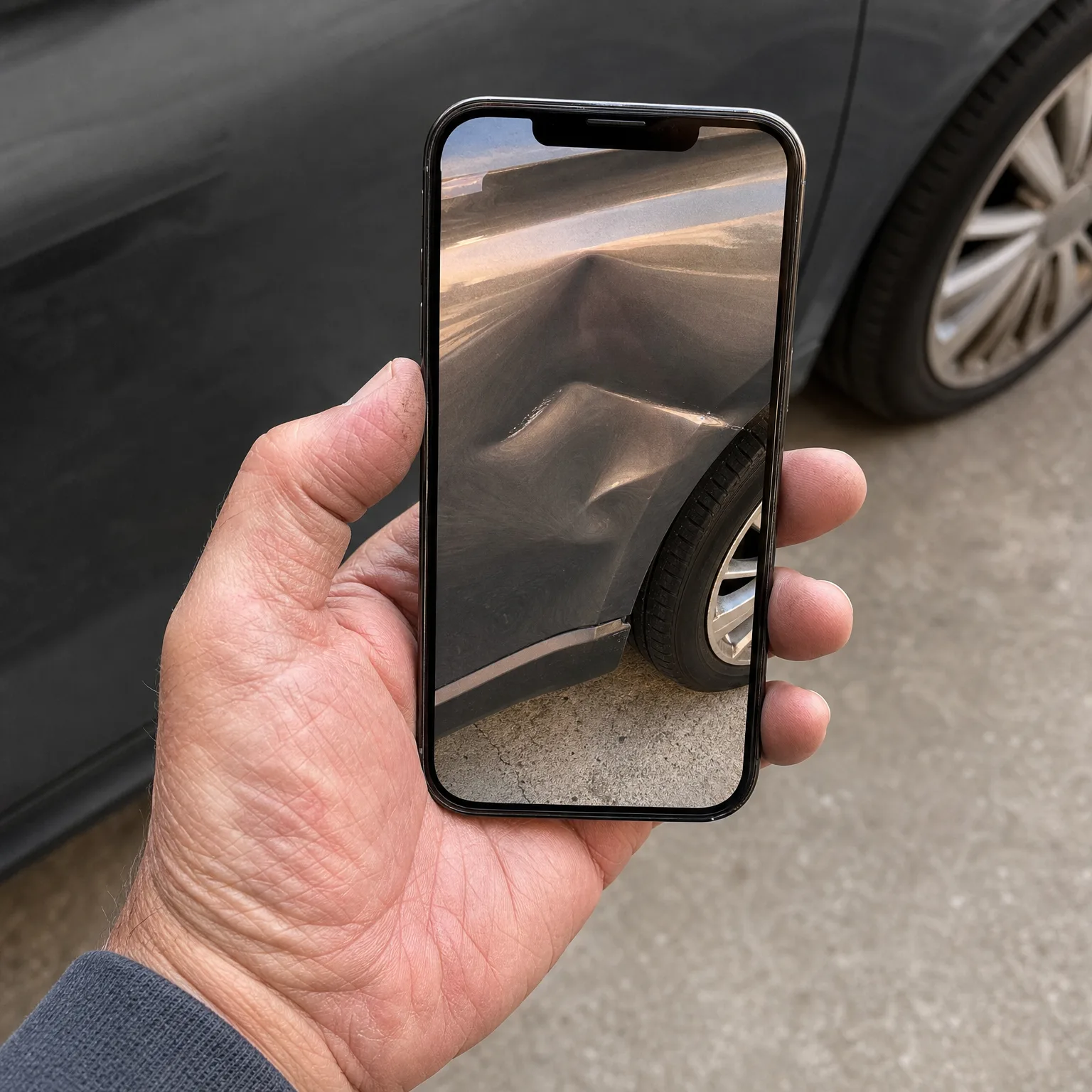
Take photos of both cars, the road, and anything relevant like a stop sign or traffic light. Get the other driver's contact information and, if there were witnesses, theirs too. This matters more than it seems like it will in the moment.
If the other driver seems unwilling to exchange information or leaves before you can, write down their license plate and call the police right away.
What happens to your insurance after
Once you report the accident, your insurer will investigate and determine fault based on the evidence, not just what either driver says. Being found at fault usually affects your premium at your next renewal, and how much depends on your insurer and your state.
Some insurers offer accident forgiveness, which can mean your first at-fault accident doesn't raise your rate. Check your policy or ask your agent whether you have this and whether it applies here.
If the other driver was injured or their car was badly damaged, your insurer will handle the claim through your liability coverage, up to your policy's limits. If the damage or injury costs more than your limits, you could be personally responsible for the rest, which is worth discussing with your agent going forward.
A court or your state's DMV may also get involved if someone was injured, depending on where you live. Ask your insurer or check with your state's DMV about what triggers that.
Questions people ask about this
Do I have to call the police if no one is hurt?
It depends on your state and how much damage there is. Many states require a police report above a certain damage threshold, and some require one regardless of damage. Check your state's rule, and when in doubt, call anyway so there's an official record.
Will my insurance drop me after an at-fault accident?
A single at-fault accident usually doesn't lead to a dropped policy, but it can happen if you have other accidents or violations on your record. Ask your insurer directly what their policy is after an at-fault claim.
Should I pay for the damage myself instead of filing a claim?
You can, especially if the damage is minor and you want to avoid a rate increase, but talk to your insurer first about how reporting works and whether you're still required to report it even if you pay out of pocket. Some states and policies require reporting regardless of who pays.
Can the other driver sue me even if insurance pays?
Yes, if their costs go beyond what your policy covers, they can pursue you personally for the rest. This is part of why it helps to know your policy's liability limits before anything happens, not after.
How long does an at-fault accident stay on my record?
This varies by state and by insurer, since your driving record and your insurance history aren't the same thing. Ask your insurer how long it affects your premium, and check with your state's DMV about how long it stays on your license record.
See how an at-fault accident might affect your rate by comparing quotes from a few insurers.
Call your insurer this week if you haven't already, even if the accident was minor. Ask them directly how this will affect your premium and whether you have accident forgiveness. Pull your police report once it's available and keep a copy with your records. If your state requires a DMV report and you haven't filed one, do that now rather than waiting. Once you know how your rate is likely to change, it's worth comparing quotes from other insurers to see where you stand.