What Happens If I Cause an Accident at 80
Your age isn't what decides what happens next. Fault, your coverage, and your insurer's own rules are.
The accident is treated like any other, but your insurer may look at your file more closely
If you cause an accident, your liability coverage pays for the other driver's damage and injuries up to your policy limits, and your own coverage responds the same way it would for a driver of any age. Fault is decided the same way too, based on what happened, not how old you are.
What can differ is what your insurer does afterward. Some insurers review a policy after any at-fault claim and ask for an updated driving record or a medical form if there's a reason to. That review isn't automatic everywhere, and it isn't about turning 80 specifically. It's about the claim itself and what your policy and your state allow your insurer to ask for.

What your policy already has in place matters most
Your liability limits determine whether the payout covers the full claim or whether you're exposed to the difference. If you haven't checked your limits in a while, this is a good reason to.
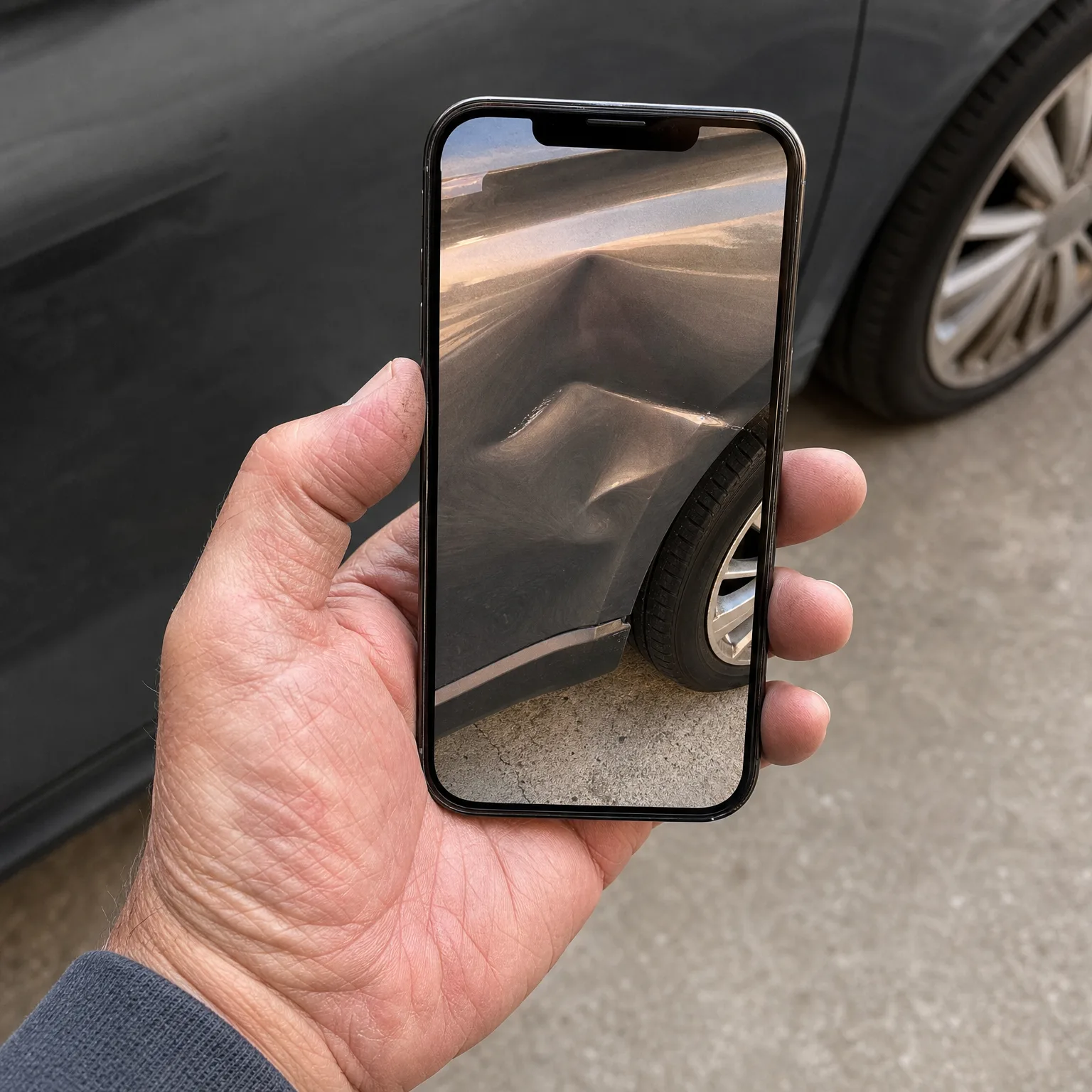
If you carry collision coverage, it pays to repair or replace your own car regardless of fault, minus your deductible. Without it, you're paying for your own vehicle out of pocket even though your insurer is covering the other driver.
An at-fault claim will likely raise your premium at renewal. How much depends on your insurer's rules, your claims history before this one, and your state, since some states limit how claims factor into pricing for older drivers and some don't.
If you're close to umbrella coverage or have assets that exceed your liability limits, a serious at-fault accident is exactly the situation that insurance is meant to cover. Check your limits against what you'd actually lose if a claim exceeded them.

Whether your insurer can ask about fitness to drive depends on your state and your policy
A few states allow insurers or the DMV to request a medical or vision evaluation after certain accidents, and age can be one factor an insurer considers when deciding whether to ask. This is not universal, and it is not triggered by every at-fault accident.
If your state does allow this, it's usually tied to the details of the crash itself, not simply that you're 80. A minor fender-bender and a serious injury accident are not treated the same way.
If you're asked for anything like this, ask your insurer or your state DMV directly what the request is based on and what happens if you comply. Don't guess at what it means for your license or your policy.
If you haven't been asked for anything, an at-fault accident on its own doesn't put your license at risk. Licensing decisions go through your state's DMV process, not through your insurer.
Questions people ask about this
Will my insurance company drop me after an at-fault accident at 80?
Insurers can choose not to renew a policy after a claim, but this isn't tied to age on its own and isn't automatic after a single accident. It depends on your insurer's underwriting rules and your overall claims history. Ask your insurer directly what their policy is on renewals after an at-fault claim.
Does my car insurance go up every time I'm in an accident after 80?
An at-fault accident generally affects your premium at renewal the same way it would at any age. How much it goes up depends on your insurer, your state, and your record before the accident. A not-at-fault accident usually has less effect, though this varies by insurer.
Can I lose my driver's license after causing an accident at 80?
Causing an accident doesn't automatically affect your license. Licensing decisions come from your state's DMV, which may review your record after a serious crash regardless of age. Check with your state DMV if you're unsure what triggers a review.
Should I tell my insurer I'm worried about my ability to drive safely?
That's a conversation to have with your doctor and your family first, since it affects your safety directly. If you do have concerns, your insurer can tell you how a change in your driving affects your policy, but they aren't the ones to diagnose a driving problem.
Will taking a defensive driving course help after an at-fault accident?
Some insurers offer a discount for completing an approved course, but it depends entirely on your insurer and your state. It won't undo the effect of the at-fault claim itself. Ask your insurer whether they offer this and what they need from you to apply it.
See how an at-fault accident might change what you pay by comparing quotes from other insurers.
Call your insurer and ask exactly how this accident will be handled on your policy, including whether it triggers any review and how it affects your renewal. Pull your declarations page and check your liability and collision limits before that call so you know what you're working with. If your state allows post-accident medical or vision reviews, ask your insurer or DMV directly whether this claim meets that threshold rather than assuming either way. Keep a copy of the accident report and any claim correspondence in one place. Once you know how your current insurer plans to treat the claim, compare quotes from other insurers to see whether staying put still makes sense at renewal.