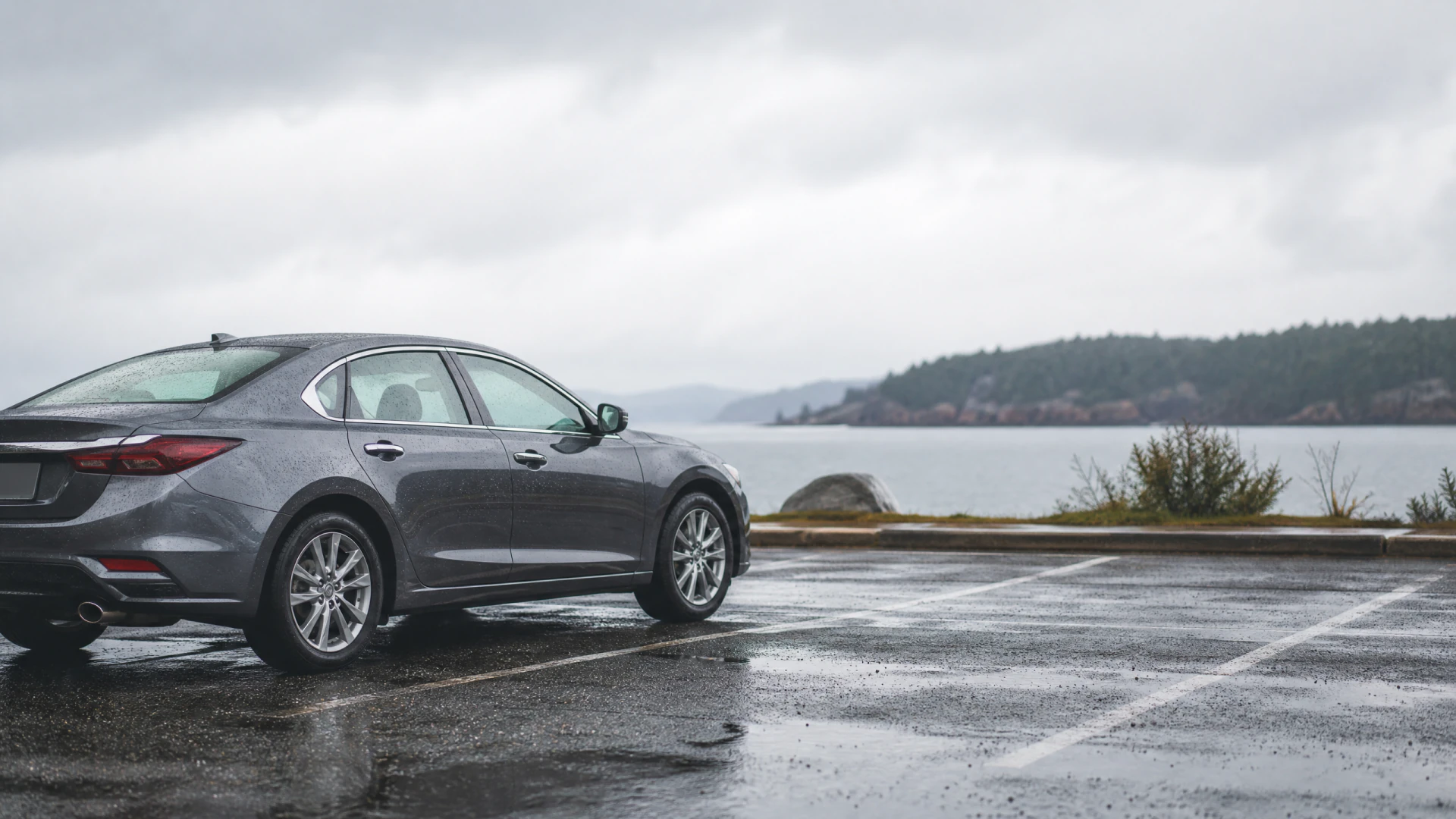
How Common Is It to Get Sued After a Car Accident
Most car accidents never lead to a lawsuit, because insurance covers the cost before anyone needs to sue.
It's uncommon, and insurance is the reason why
Getting sued after a car accident is rare. Most crashes get resolved through the insurance claims process, where the at-fault driver's insurer pays for the damage and injuries without anyone going to court.
Lawsuits tend to show up when the costs go beyond what insurance will pay, or when the insurer and the injured person can't agree on what's owed. If you carry enough liability coverage for the kind of driving you do, you lower the odds that a claim against you turns into a lawsuit.

Your liability coverage limits decide most of the risk
The main thing that pushes a car accident toward a lawsuit is a gap between what the damage costs and what the at-fault driver's insurance will pay. If medical bills or vehicle damage stay under the policy limit, the insurer usually pays it and the matter ends there.
When the costs run higher than the limit, the injured person has a reason to go after the driver directly for the difference. That's when a lawsuit becomes worth it to them.
This is why carrying higher liability limits than the state minimum lowers your personal risk. It's not about avoiding blame for an accident. It's about making sure your insurer can cover the full cost so no one has a reason to come after you personally.
If you're not sure what your current limits are, check your policy declarations page or ask your agent. It will list your liability limits separately for bodily injury and property damage.

What people get wrong about being sued
Many drivers assume that causing an accident, even a serious one, means they'll personally end up in court. In practice, the insurance company is almost always the one handling the claim, negotiating with the other side, and paying out. The driver's name may be on the paperwork, but the driver rarely deals with the other party directly.
Another common misunderstanding is thinking that a lawsuit means losing your house or your savings. Your liability coverage is what responds first. A lawsuit for an amount within your policy limits is defended and paid by your insurer, not out of your own pocket.
The real exposure comes from being underinsured for a serious crash. A driver with low liability limits and a bad accident is in a different position than a driver with higher limits and the same accident. If you want to know where you stand, ask your insurer what happens if a claim against you exceeds your current limits.
Questions people ask about this
What happens if someone sues me after a car accident?
If you have liability insurance, your insurer typically steps in to defend you and pay any amount owed up to your policy limit. You may need to notify your insurer right away and forward any legal papers you receive. What happens beyond your limit depends on your assets and the laws in your state, so ask your insurer or an attorney if a claim starts to approach your coverage limit.
Does my insurance company defend me in a lawsuit?
Yes, if the lawsuit is covered by your policy, your insurer usually provides a lawyer and handles the defense. This is a standard part of liability coverage. Confirm with your insurer what's included and whether there are any situations, like intentional acts, that fall outside what they'll defend.
Can I be sued even if the accident wasn't my fault?
It's uncommon, but it can happen if the other driver or their insurer disputes who was at fault. Fault is often determined by police reports, witness statements, and sometimes negotiation between insurers. If you're named in a lawsuit for an accident you believe wasn't your fault, your insurer will still typically get involved to sort out the dispute.
Will a lawsuit affect my car insurance rates?
A lawsuit itself usually isn't what raises your rate. It's the underlying claim and whether you were found at fault that your insurer factors into renewal pricing. Ask your insurer how they handle rating after a claim that led to a lawsuit, since this can vary by company.
How long after an accident can someone sue me?
Each state sets its own deadline for filing a lawsuit over a car accident, known as the statute of limitations. The timeframe depends on where the accident happened and what kind of claim is being made. Check with your state's courts or an attorney for the specific deadline that applies to your situation.
If you want a sense of whether your coverage matches your risk, see what other policies would cost.
Pull out your policy declarations page and check your liability limits for bodily injury and property damage. If you don't have a copy, ask your insurer to send one or look it up through your online account. Compare those limits to what a serious accident could realistically cost in your area, including medical care and vehicle repair. If the gap looks large, ask your agent what it would cost to raise your limits. This is also a good week to ask your insurer directly what happens if a claim against you ever exceeds your current coverage.